About Grasslands
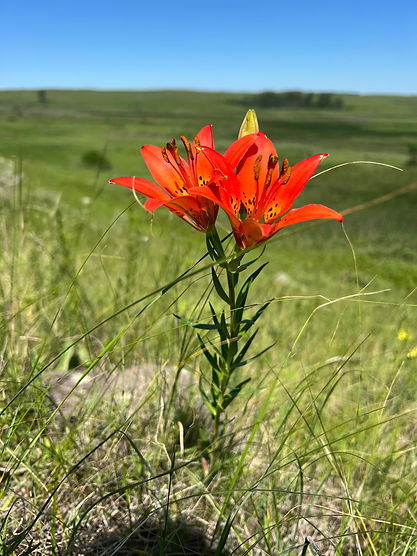
Grasslands are vast open ecosystems dominated by grasses rather than trees, found on every continent except Antarctica. They include prairies, savannas, steppes, pampas, and velds, and support an incredible range of wildlife, from bison and antelope to ground-nesting birds and pollinators. Grasslands play a major role in fighting climate change by storing large amounts of carbon in their deep root systems, protecting soil from erosion, and supporting food production for people and livestock. Despite their importance, grasslands are among the most threatened ecosystems worldwide due to conversion to agriculture, overgrazing, and development.
Resources
-
A great summary of the roles grasslands play in our environment: https://kids.nationalgeographic.com/nature/habitats/article/grassland
-
Helpful lesson plans and information for educators wanting to teach their students about grasslands: https://www.worldwildlife.org/resources/teaching-resources/toolkits/the-grasslands-of-the-great-plains/
-
A useful and simple guide to plants found in grasslands: https://www.fs.usda.gov/r01/dpg/animals-plants/plants
-
An interesting and educational video on the importance and function of grasslands: https://sdpb.pbslearningmedia.org/resource/grassland-biodiversity-earths-carbon-cycle-video/the-future-of-nature/
Hopefully after visiting the educational resources above and looking over the fact sheet that is attached to the coloring contest you have a better understanding of grasslands and the great importance they have. Use these resources to tell a story through your drawing about grasslands. For even more information about grasslands check out our mentor page to be connected with a conservation professional in your area.